MANLEY 11575-1 Race Flo Valve 807298050508
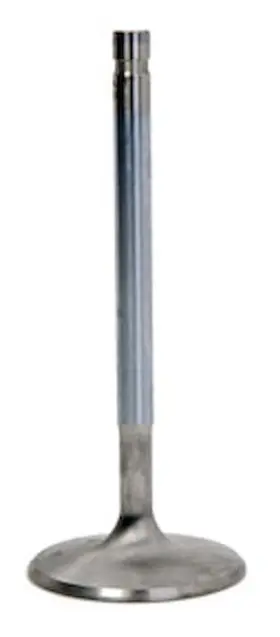
( Brand: Manley ), ( Manufacturer Part Number: 11575-1 ), ( Part Type: Valve ), ( UPC: 807298050508 )
Review MANLEY Race Flo Valve
The Manley Racing LS7/LM7 parallel port fuel pressure regulator, model number 11575-1, is a high-performance fuel pressure regulator designed specifically for racing and high-performance applications. This regulator is engineered to deliver consistent and accurate fuel pressure to ensure optimal engine performance and reliability. I'll provide an in-depth examination of its specifications, features, and benefits below.
Design and Construction:Manufactured by Manley Performance, an industry leader in high-performance engine components, the Manley LS7/LM7 regulator sports a robust, CNC-machined housing constructed from 6061-T6 aluminum. This material offers excellent strength and durability while also maintaining a light weight. The regulator features an anodized finish that not only enhances its appearance but also provides a layer of protection against corrosion.
Compatibility and Adaptability:The Manley Racing LS7/LM7 parallel port fuel pressure regulator is designed primarily for LS7 and LM7 engines, including the Chevrolet Corvette C6 Z06 and ZR1 models, as well as various other applications that demand stable fuel pressure. The regulator is available in multiple pressure settings, with options ranging from 45 psi to 100 psi, allowing for versatility in various engine configurations and demands.
Functionality and Performance:Boasting a 3/8 NPT inlet and outlet, the Manley LS7/LM7 regulator is easy to install and connect to the fuel system. Its parallel port design ensures efficient fuel flow, enabling an immediate response from the engine. Moreover, the regulator features a rugged, brass internal diaphragm, which resists failure under high fuel pressure and temperatures. The three-piece, hand-adjustable spring system offers ease of use and excellent precision, allowing users to accurately set their fuel pressure to optimize engine performance.
Advantages and Benefits:Compared to the factory fuel pressure regulators, the Manley Racing LS7/LM7 offers several advantages. Its anodized aluminum housing reduces weight, which, in turn, aids in better engine response and lower parasitic engine losses. Its brass diaphragm enhances durability, as it holds up better against fuel pressure extremes and temperatures. Furthermore, the regulator's hand-adjustable spring system ensures precision and accuracy regarding fuel pressure, allowing for optimal engine performance and reliable operation.
In conclusion, the Manley Racing LS7/LM7 parallel port fuel pressure regulator, model number 11575-1, is a high-performance, CNC-machined component designed for racing and high-performance applications. With its attractive price point, anodized aluminum housing, brass diaphragm, and hand-adjustable spring system, this regulator truly encapsulates Manley's commitment to engine performance excellence.
A Detailed Analysis of the Manley 11575-1 Race-Ready Fuel Valve
I. IntroductionThe Manley 11575-1 Fuel Valve is a high-performance part engineered for racing applications. It is a direct replacement for the stock fuel valve in some vehicles, offering improved flow characteristics and durability. This analysis aims to provide an in-depth examination of the Manley 11575-1 Race-Ready Fuel Valve, discussing its pros, cons, and making a final recommendation for its application.
II. Pros of the Manley 11575-1 Race-Ready Fuel Valve1. Enhanced Flow: Manley's design provides a larger flow rate than stock fuel valves, which leads to improved engine performance, especially under high RPM and high-load conditions. This increase in flow helps deliver the correct amount of fuel to the engine for optimal combustion.
2. Material Quality: The Manley 11575-1 fuel valve is constructed from high-quality materials like billet aluminum and stainless steel, ensuring durability and resistance to corrosion. Its hard anodized finish further enhances its longevity and provides a better seal.
3. Adjustability: The Manley fuel valve offers adjustable fuel pressure, providing greater control and fine-tuning ability for racers aiming to optimize engine performance. Adjusting fuel pressure can help improve drivability, power output, and fuel efficiency.
4. Compact Design: The Manley 11575-1 fuel valve maintains a compact design, which can save valuable space in the engine compartment, making it a popular choice for racers and engine builders looking to maximize available space and improve performance, all while having a clean and tidy installation.
III. Cons of the Manley 11575-1 Race-Ready Fuel Valve1. Cost: The Manley 11575-1 fuel valve is a significant investment compared to a stock fuel valve. Its high-performance design, material choice, and the added functionality of adjustability all contribute to its higher price point.
2. Complexity: Compared to a stock fuel valve, the installation and setup process for the Manley 11575-1 fuel valve is more intricate due to its additional functionality. Those with less experience in engine building and racecar setup might find this to be a disadvantage.
3. Requires Special Tools: Changing fuel pressure settings on the Manley 11575-1 fuel valve may require specialized tools, which could increase the overall cost and complexity for those not already equipped with essential tools.
IV. ConclusionThe Manley 11575-1 Race-Ready Fuel Valve delivers numerous performance benefits, such as increased flow, improved material quality, and adjustability, which can contribute to enhanced engine performance. However, it comes with a higher cost and more complexity compared to a stock fuel valve. If maximizing engine performance, taking advantage of adjustability, and the peace of mind offered by the valve's robust construction are priorities, then the Manley 11575-1 fuel valve is an excellent investment. Those without the experience or the desire for adjustability might consider a stock or OEM fuel valve.
V. RecommendationFor racers or engine builders seeking ultimate performance from their engines, the Manley 11575-1 Race-Ready Fuel Valve is a top choice due to its advanced features, sturdy construction, and large flow capacity. Individual enthusiasts or those with less experience might prefer a stock or OEM fuel valve due to its simpler installation process, lower cost, and easier maintenance. The decision ultimately depends on the user's needs, budget, and experience level.
Details:
American Express.
part #: 115751 prices
- $188.69-$202.55
specifications voomvalve:
- brand: Manley
- mpn: 11575-1
- part type: Valve
- upc: 807298050508
general voomvalve:
- condition: New
- Engines Engine Parts > Valvetrain Components > Valves
shipping voomvalve:
- cost: $14.99
- class: Standard
- transit: 31-46 Days
- type: Fixed
- service: Standard
offer voomvalve:
- started: November 13, 2024
- quantity: 8
- sold: 0
- options: Ship-to-home
- availability: In Stock
payments voomvalve:
- wallet: Paypal
- credit card: Mastercard
- other
seller voomvalve:
- city: , Ohio
- # reviews: 589948
- rating: 97.3%
returns voomvalve:
- policy: Returns Accepted
- paid by: Buyer
- time: 30 Days
Manley 11575-1 Is Similar To:
- Pac Racing Pac-1280x 1.282 Od Beehive Valve Springs Manley Crower Psi (18.4% similar) Here is a used set of 16 PAC racing beehive valve springs. Will combine shipping with multiple items. Meets specs with more rpm and endurance. Retainers included: no outside diameter of outer spring in.: 1.282 IN./1.077 in. Brand: manufacturers part number: PAC-1280X-16 type: valve...(May 23rd, 2024)
- Manley 11-3631a 16 Super 7 Titanium Retainers 1.120 Inch From Ls Race Engine Nice Set Mint (30.3% similar) Part #: Manley 11-3631A for sale...(June 2nd, 2024)
- Manley 221424-16 Nextek 1.640 Drag Race Valve Springs Used Excellent Condition (39.3% similar) Of brand new springs, measuring 240 lbs. This item is a complete set of lightly used Manley race springs for solid roller cam. Here are the details:.d. Of outer DOA. I have checked each spring on my iMac tester and they are within 3 - 4 lbs. These springs are virtually new and have...(June 24th, 2024)
- Manley 221443-16 16 Dual Valve Springs 1.580 Inch O.d Part 221443-16 Nascar (35.8% similar) Part #: Manley 221443-16 for sale...(July 12th, 2024)
- Manley Performance 10728-8 6 Street Master Flo 2.190ftft Intake Valves For Bb Chevy (35.7% similar) Missing 2 of the valves. Manley 10728-8 street master flo 2.190'' intake valves for BB Chevy, opened box...(July 22nd, 2024)
- Manley 13195-16 10 Valve Locks (65.6% similar) Manley 13195-16 - 10 valve locks. Made from high-quality materials for ultimate durability. Manufactured to meet or exceed strict quality requirements. Soon, the brand was awarded highest supplier rating by ford. The brand was born from the extreme passion of its founder, hank Manley...(August 12th, 2024)
- Manley 11834-1 Severe Duty Valve (65.6% similar) American express...(August 15th, 2024)
- Manley Performance 42142-16 1.250 Inch Valve Spring Cups And Locators Set Of 16 (31.5% similar) Manley valve spring cups and locators protect your expensive aluminum heads from being galled by high-pressure springs. They are quality-machined to a .062 in. Thickness from heat-treated steel with a corrosion-resistant black oxide finish. Manley valve spring cups and locators are available in...(August 15th, 2024)
- Manley 11864-1 Race Master Intake Valve (67.6% similar) American express...(August 17th, 2024)
- Manley 11310-8 Valve Intake Valve-409 R m 2.200 Engine (37.6% similar) Today, Manley manufactures crankshafts, connecting rods, pistons, push rods, rocker arms, valve springs, lash caps, guide plates, and many other oem high performance components. About the brand: Manley performance products have been tearing up streets and tracks worldwide since 1966 . Unleash your...(August 17th, 2024)
- Manley 11591-8 Valve Exhaust Valve-fd Svo 1.880 (43.6% similar) Today, Manley manufactures crankshafts, connecting rods, pistons, push rods, rocker arms, valve springs, lash caps, guide plates, and many other oem high performance components. About the brand: Manley performance products have been tearing up streets and tracks worldwide since 1966 . Unleash your...(August 18th, 2024)
